
Uganda

ABSTRACT

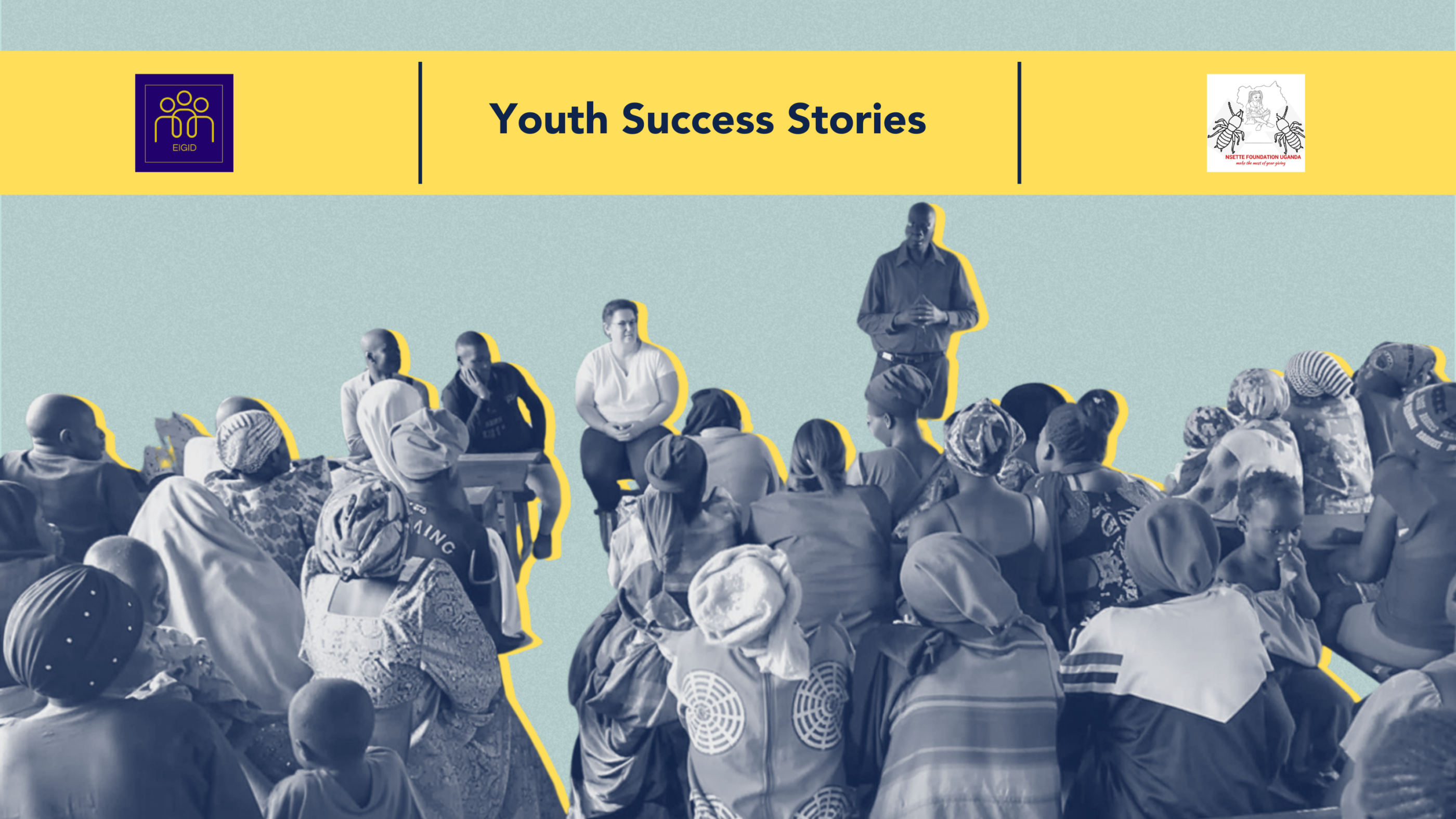
The Walanga Civic & Gender Empowerment Training is a community-based initiative implemented in March 2025 in rural Eastern Uganda by the European Initiative for Gender Inclusive Democracy (EIGID) in partnership with NSETTE Foundation Uganda. The programme strengthened civic participation and gender equality through participatory, multigenerational training for children, young mothers, and grandmothers. Delivered in local language and anchored in everyday community realities, the initiative focused on governance and civic participation, voting sensitisation, and gender equality and shared responsibility. By combining rights education with practical exercises (mock councils, role play, voting simulations), the programme aimed to translate abstract democratic principles into accessible, actionable knowledge. The initiative was designed to be low-cost, inclusive, and replicable, particularly in the context of Uganda’s upcoming 2026 elections, where rural women and girls continue to face structural barriers to meaningful participation.
ABOUT THE PROJECT

The project addressed the persistent exclusion of rural women and girls from civic and decision-making spaces despite strong formal gender-equality frameworks in Uganda. Its main goals were to increase civic literacy, build confidence to participate in community governance, and challenge restrictive gender norms at household and community level.
The initiative worked with three groups:
- Children (8–14), to foster early awareness of rights, responsibilities, and inclusive leadership;
- Young mothers, to strengthen civic participation, voting readiness, and advocacy skills;
- Grandmothers, as key community leaders and caregivers, to support intergenerational learning and local leadership.
Participants took part in a two-day participatory training tailored for each group, using storytelling, role play, mock village councils, and voting simulations. The programme was co-developed with the local partner and designed to be accessible to people with low levels of literacy.
WHAT MADE IT POSSIBLE?

The collaboration between the two partner organisations combined strong local relationships and community trust, built by NSETTE, with EIGID’s technical expertise in gender-responsive governance.
A close engagement with schools, caregivers, and local leaders helped ensure high participation and relevance.
Practical inclusion measures also made it easier for women to take part.
Transport stipends, meals, on-site childcare, flexible scheduling, and translation helped address some of the barriers that often prevent participation.
The availability of simple, adaptable training materials and light monitoring tools worked well in a rural setting with limited resources and can be replicated
WHAT DIFFERENCE DID IT MAKE?
The programme reached 82 participants: 36 children, 24 young mothers, and 22 grandmothers. Across all three groups, participants gained increased knowledge of governance structures, voting processes, and rights. Post-training data showed a marked shift in women’s participation: from almost no prior involvement in community leadership to 29.3% taking on leadership roles and 33.3% developing leadership skills after the intervention. Children showed greater confidence in speaking up and understanding decision-making pathways. Girls in particular reporting increased willingness to express their views. The intiative also produced several practical resources, including certificates for women, a locally printed children’s storybook on rights, and the development of two replication toolkits (for women and for children) to help opthers run similar activities through a Training-of-Trainers model.