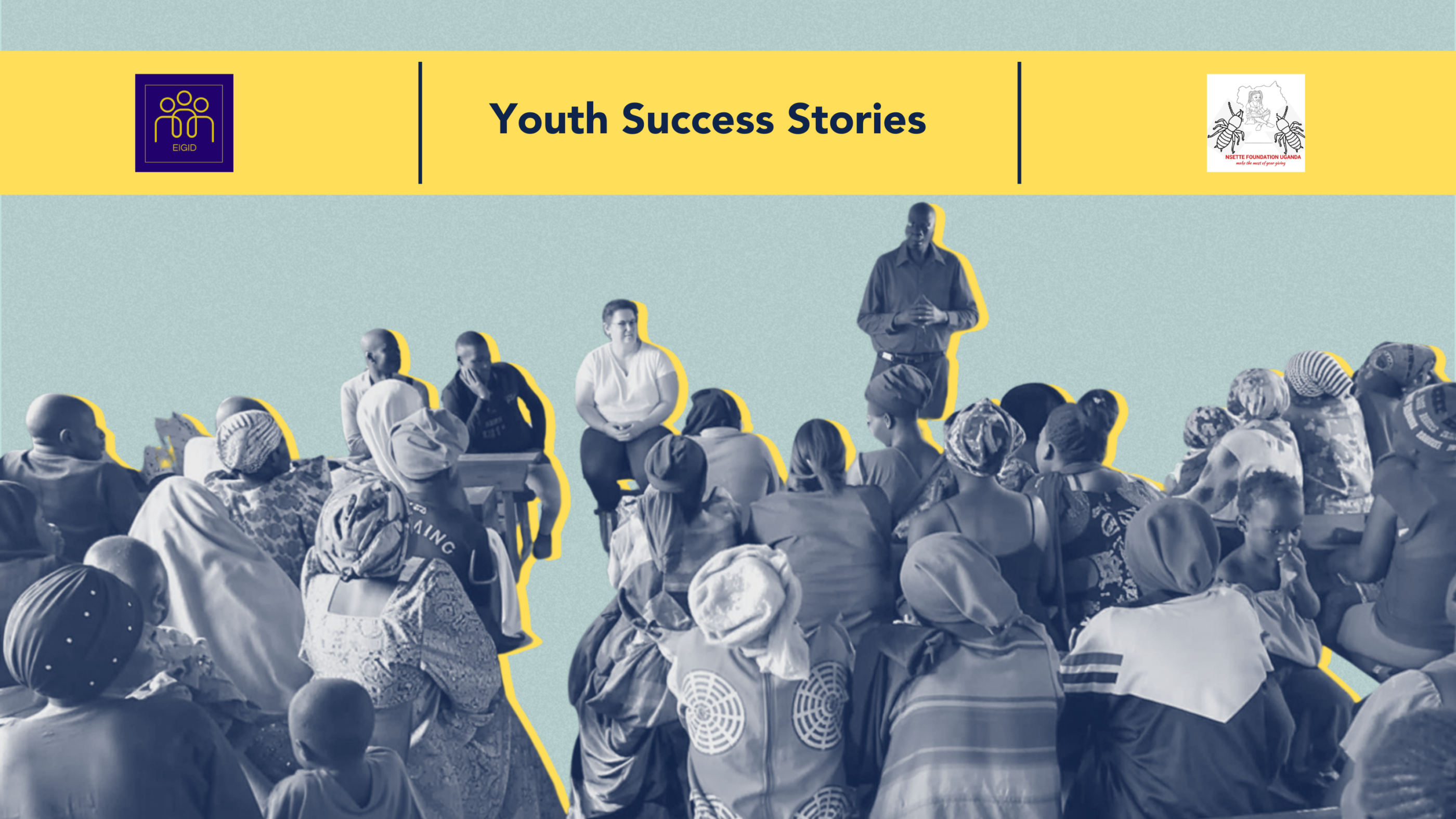
Uganda ABSTRACT The Walanga Civic & Gender Empowerment Training is a community-based initiative implemented in March 2025 in rural Eastern Uganda by the European Initiative for Gender Inclusive Democracy (EIGID) in partnership with NSETTE Foundation Uganda. The programme strengthened civic participation and gender equality through participatory, multigenerational […] read more
Young people are mobilising more than ever before for democracy. Hopes are high that the young can act as a democratic catalyst to turn back the powerful wave of authoritarianism across the world. But is this really possible? This report examines what is driving young people to […] read more
A Comparative Study of Political Generations in Australia In most advanced democracies, declining electoral turnout is disproportionately concentrated among young people.[i] For example, in the 2024 United Kingdom general election, less than half of 18- to 24-year-olds cast a ballot, compared with three-quarters of people aged 65 […] read more
Can Democratic Elitism Explain Bhutan’s Minimal Youth Political Participation? Ever since Bhutan’s introduction of democracy in 2008, a recurring question has been why so few young people are involved in the country’s politics. A 2018 study observed that even students of political science do not see politics […] read more
Youth Participation in India’s Legislative Politics Young policymakers, as youth representatives, are essential for ensuring that young people’s voices, aspirations, demands, and challenges are heard at the highest levels of decision-making. However, research in 2024 revealed that the average age of world leaders from 1945 to 2023 […] read more
Youth Expression and Communication Strategies in Afghanistan After becoming a nation-state, Afghanistan experienced several waves of attempts at democratisation. The last major effort began in December 2001, when a republican political system re-emerged in the country. Over the following 20 years, until the system’s collapse in August […] read more
From Protest to Pessimism: Youth Voices in Chile’s 2023 Constitutional Process The inclusion of youth perspectives in policymaking is necessary both to realise young people’s rights and to advance and sustain global democracy.[i] Not only does excluding young people from political processes destabilise democracies by generating mistrust […] read more
Lessons From the 1970 UN World Youth Assembly for Contemporary Youth Engagement Over the last decade, the United Nations (UN) system has increasingly invested in creating institutional space for greater youth participation and leadership. Launched in 2018, Youth2030 is a UN-wide youth strategy that prioritises “meaningful youth […] read more
Enhancing Youth Representation in Zimbabwe Through Effective Quotas Across the globe, quotas have been used to promote the inclusion of underrepresented social groups. Indeed, the introduction of such provisions in politics is widely regarded as a legitimate way of ensuring equal opportunities.[i]Previously, representational politics centred on gender […] read more