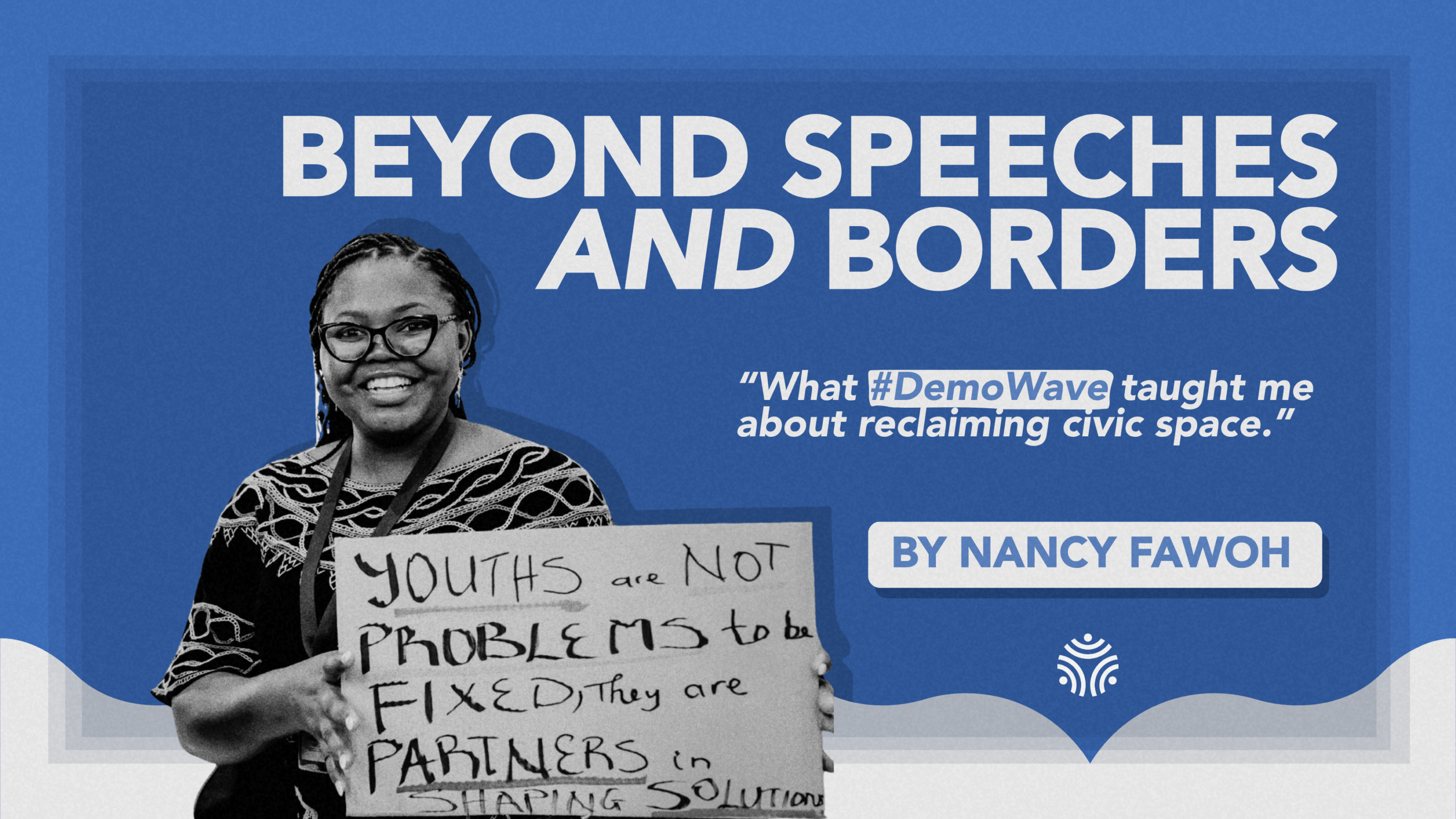
By Nancy Fawoh
When I boarded my flight from Yaoundé to Brussels on June 7, 2026, to attend DemoWave, the Youth (Un)Conference organized by the Youth Democracy Cohort, led by the European Partnership for Democracy (EPD) I carried with me the heavy reality of civic space in Cameroon. In my country, Cameroon, exercising freedom of speech or assembly often feels like walking a tightrope. With a political environment where public gatherings are tightly controlled and online commentary can lead to swift arrests, young people often operate under an unspoken rule: freedom of speech may be guaranteed before you speak, but rarely after.
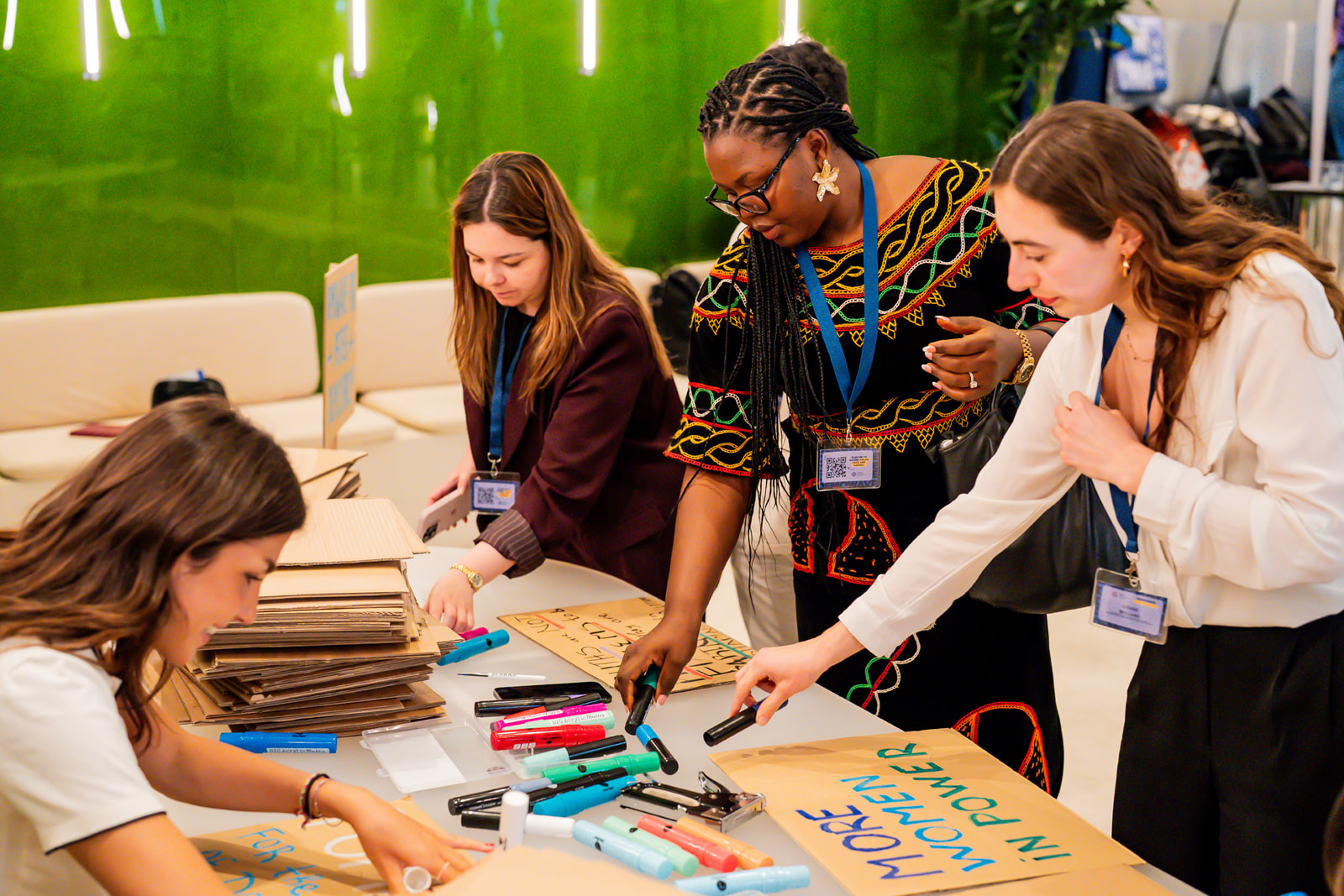
Arriving at DemoWave, I stepped into a room filled with over 120 youth leaders from across the world. From the moment the facilitators announced there was no pre-set agenda, the traditional, rigid conference format was shattered. We were not there to passively listen to panel after panel; we were there as the architects of the event.
Unconventional Spaces, Real Conversations

The (Un)conference format forced us out of our comfort zones. Through interactive setups, ranging from intimate “Campfire Stories” where participants sat on the floor sharing personal memories of political awakening, to dynamic “Fishbowl Conversations” and “Snacks for Thought” policy debates, we set the agenda in real time.
In one session on lowering the voting age, I reflected on my own context in Cameroon, where the legal voting age is set at 20. In a nation dominated by a young population that feels largely disconnected from formal politics, listening to European peers advocate for voting at 16 sparked new ideas for how I could leverage my volunteer work with youth non-profits like Young Peuple (YP) back home to push for meaningful electoral reform.
In another session exploring the Global Youth Political Participation Index (GYPI), the data confirmed what many of us feel intuitively: formal political spaces remain the most closed and inaccessible to youth globally. Hearing a peer detail the Nepal Gen Z movement, where young women and other minority groups led the agonizing labor of negotiating a 10-point reform agreement with the government, reinforced a vital lesson: movements must define clear, actionable demands before taking a seat at the table.
Grounding Global Ideas in Local Realities
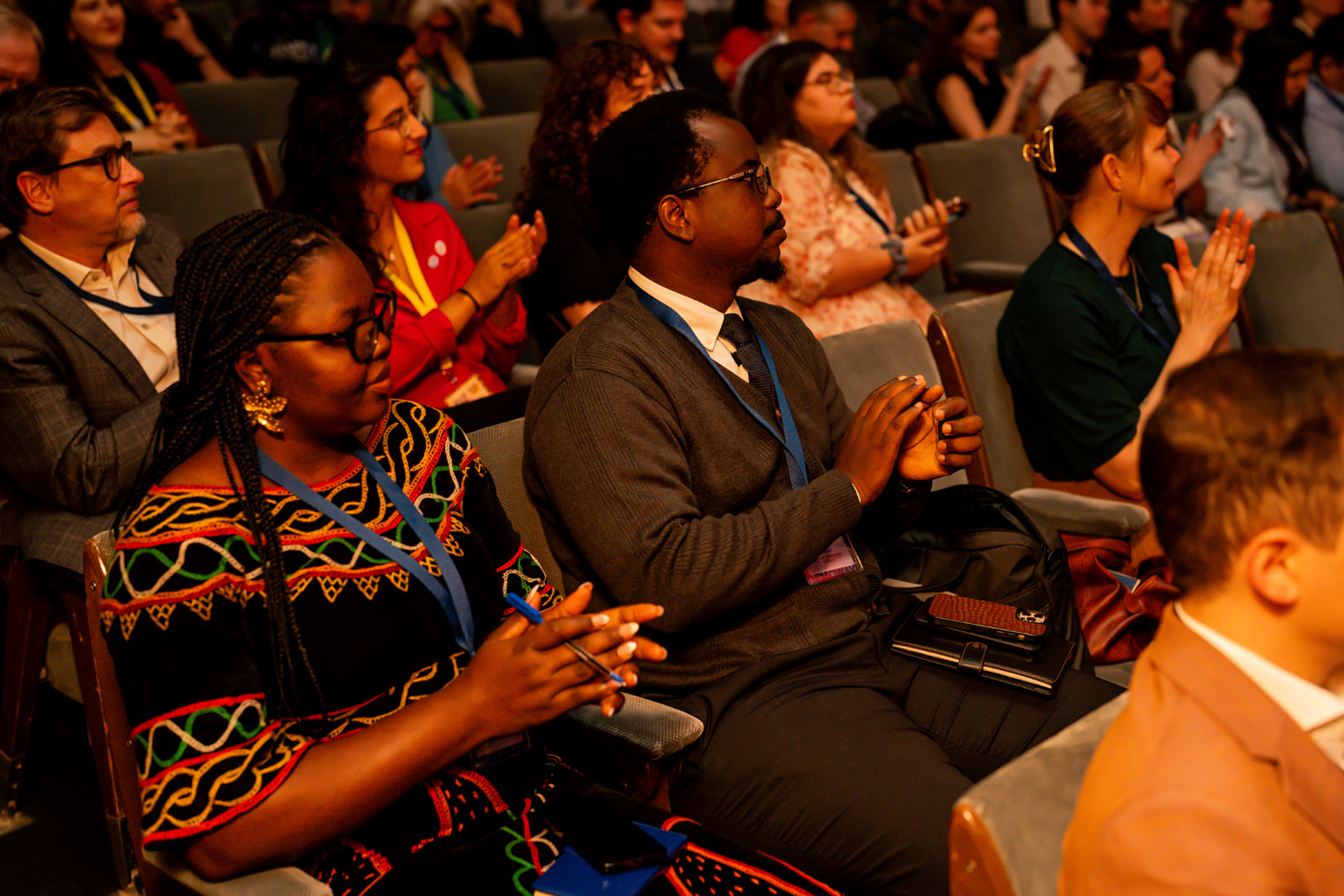
Of all the sessions, the discussion on “Activism in Exile” resonated deepest with my personal experience as a Cameroonian journalist and campaigner. The presenter challenged the room to stop viewing exile as the “aftermath” of a political story, but rather as an active, vital extension of the same struggle. In authoritarian or highly restrictive environments where fear of detention or violence silences local voices, activists operating from the diaspora carry the unique privilege and responsibility of holding power to account without the immediate threat of physical reprisal. It struck me as a powerful framework for Cameroon’s democratic future.
When civic space within national borders is suffocated, exiled voices can keep digital rights, human rights violations, and civic education alive.
What Democracy Needs Now
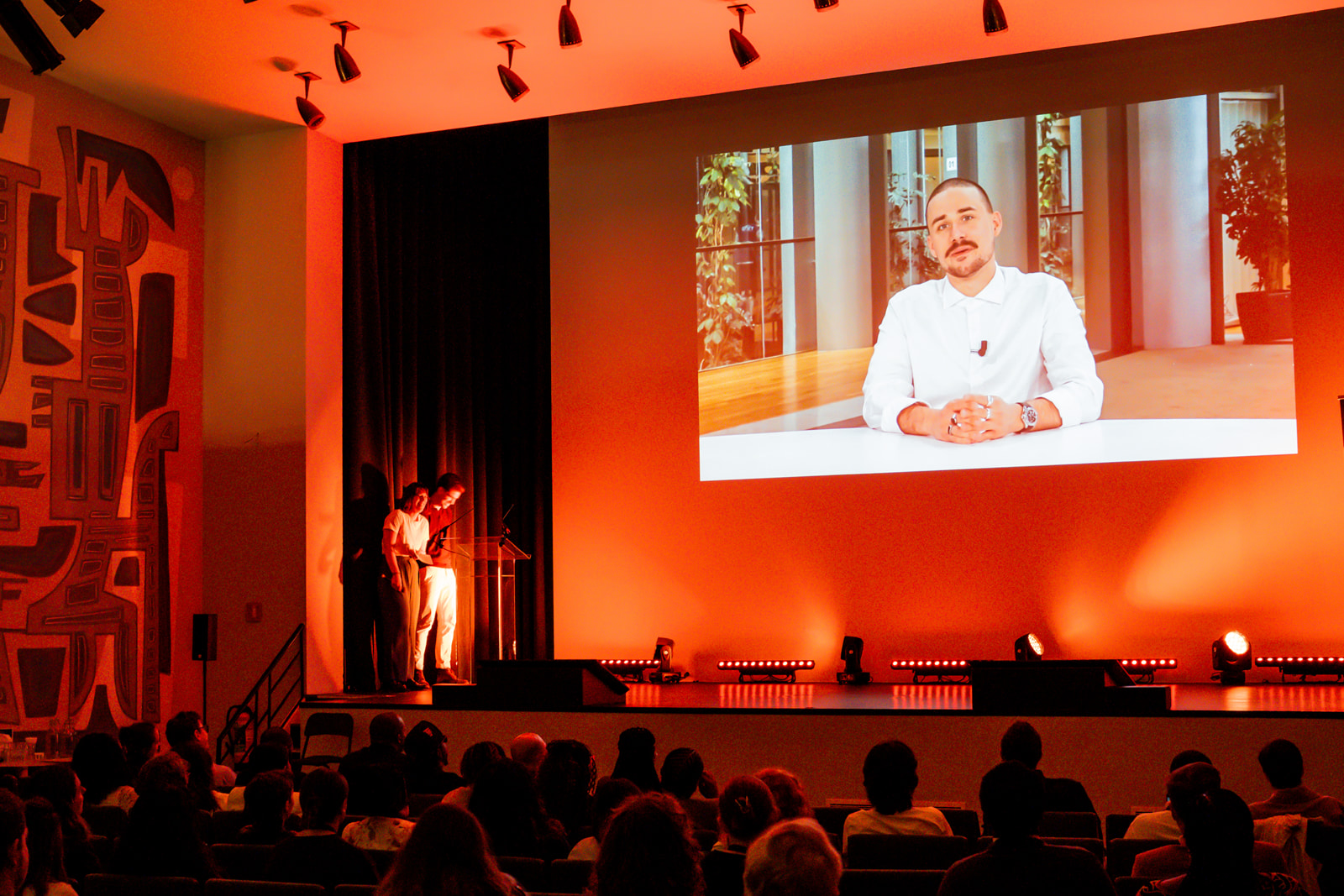
During the opening remarks, a quote from European Parliament member Lukas Siepe stayed with me:
“Democracy no longer needs speeches, but youth who are the architects and are engaged.”
Across the globe, young people are not disengaged or indifferent. We are merely exhausted by traditional systems that treat youth as photo opportunities rather than equal decision-makers. Whether through digital organizing, street protests, art, or cross-border network building, young people are constantly inventing new ways to speak to power.
DemoWave proved that while our regional contexts and political risks vary drastically, our fundamental struggles are deeply interconnected. Democratic renewal will not start in the high halls of power. It starts in uncomfortable, creative spaces where young people gather, exchange tools, and refuse to ask for permission to build a better future.