
Young people are mobilising more than ever before for democracy. Hopes are high that the young can act as a democratic catalyst to turn back the powerful wave of authoritarianism across the world. But is this really possible? This report examines what is driving young people to mobilise, how powerful their engagement is, and what kinds of political participation they are developing. Much is written about youth participation; this report gives the word to young people from around the world to let them speak on these issues. They correct some of the conventional wisdom about youth political participation and reveal the complex dynamics of young people’s role in and for democracy today.
The issue has become vitally important. The year 2025 witnessed a surge in youth-led protests, mainly associated with Generation Z, and many revolts have continued into 2026. The large-scale mobilisation of young people has reignited debates on political representation, participation, resilience, and democratic renewal. Common patterns emerge across countries that have witnessed youth-led mobilisations over the past year, despite the diversity of the contexts. Limited economic opportunities, persistent inequalities, restrictions on civic freedoms and expression, and entrenched political elitism all contribute to mounting frustration among young people.
Despite much comment and analysis, the critical question remains insufficiently explored: are current political systems, institutions, and governance models open and responsive to youth participation?
There might be no single answer as to whether increased youth political participation directly strengthens and sustains democracies. But one principle stands firm: inclusive democracy depends on broad societal engagement, including from the largest age cohort globally – young people.[i] Yet political representation of the younger generation remains disproportionately low, and not just because of increasing disillusionment with politics among young people. Despite the youth’s demographic strength, political systems are often closed, exclusionary, and at times openly resistant to meaningful youth participation.
Entering political spaces can be extremely challenging for young people, who face a range of structural and cultural barriers. These include the high costs, both monetary and non-monetary, of running for office; age-related eligibility restrictions; closed or unfair electoral processes; gender inequality; and sociopolitical environments that are often unsupportive of or discouraging to youth leadership.[ii] These intersecting obstacles significantly reduce young people’s motivation and the appeal of formal political engagement.[iii]
This report dissects the different ways in which young civic and political actors are responding to these challenges. It offers an unprecedented range of case studies from all world regions, undertaken by young experts close to these debates. The report challenges the view of young people as a homogeneous group of disillusioned and disengaged citizens. It points instead to a variety of forms of youth-led political participation and explores the implications of these strategies for democratic change. Young people emerge as a democratic catalyst, but not necessarily in the ways often assumed to be the case.
The power of data: the Global Youth Participation Index
This report flows from a new index designed to highlight trends in youth participation. Recognising the essential value of research and data for driving change for youth participation, the European Partnership for Democracy (EPD) launched the first-ever Global Youth Participation Index (GYPI) in 2025. The GYPI tracks and compares data on youth participation from 141 countries across four dimensions: political affairs, the socioeconomic context, elections, and civic space. According to the index, low scores, particularly on the political affairs dimension, are not limited to regions where democracy is new or fragile but are a global phenomenon.[iv]
The GYPI does not show uniform disengagement, which is often assumed to be the main feature of young people’s attitudes to politics. Rather, the trends are nuanced and varied across contexts. In many places, apparent disengagement from traditional forms of politics has been challenged by other forms of participation whose democratic potential has been ignored or undermined.
Across these alternative forms, many turn to informal spaces, particularly social media and other digital platforms, to express their views, organise, and mobilise. Online engagement has significantly expanded the opportunities for youth participation, but it also poses considerable risks and threats. Digital spaces are not safe from the rapid spread of radical, extremist, and populist narratives, many of which deliberately target young people’s vulnerabilities.
All of this is happening in the context of rapidly shrinking and even closing civic space. Another important finding of the GYPI is that civic space tends to be more open to youth participation than do political affairs or elections. Research also shows that young people have been experiencing a move from apathy to antipathy, as the young seem to be increasingly embracing illiberal preferences and hostility towards democratic institutions whose structures and performance are no longer deemed adequate to respond to young citizens’ needs.[v]
Lessons and insights
To complement the GYPI with qualitative research, the EPD commissioned case studies from members of our Young Researchers’ Network. Their 12 chapters provide a rich breadth and depth of information and examples that shed new light on youth participation.[vi]
The following studies weave together research and policy findings on youth engagement. They lay out recommendations to promote and sustain a meaningful and transformative approach to youth participation in both formal and informal decision-making. The case studies offer diverse, thought-provoking, and timely reflections on the challenges and opportunities of youth engagement in different contexts. From the studies, five key messages and insights emerge.
First, all contributions point to the need to move beyond the simple question of whether young people engage, and instead to focus on how youth engagement takes place and why it assumes particular forms. This shift in perspective allows for a more nuanced understanding of the drivers, modalities, and motivations that underlie youth participation.
Second, the contributions suggest a mixed picture with regard to the claim that young people prefer informal forms of engagement over mainstream political participation. While some authors do highlight this tendency, others reveal an increasing willingness among young people to challenge thestatus quo by seeking to transform political channels and institutional structures from within.
Third, several of the challenges identified in the contributions operate at the macro level, whereas others are rooted in the micro-context of specific national settings. This duality underscores the importance of engaging simultaneously with broad, structural trends and specific local realities.
Fourth, the case studies demonstrate that the role of a specific regime – or the broader political context under analysis – is more significant in explaining variations in outcomes than are the differences between young people and other segments of the population. In other words, contextual political factors often outweigh generational divides in shaping patterns of engagement.
Last but not least, an in-depth reading of the contributions highlights a paradox. On the one hand, survey data indicates that a growing number of young people are drawn towards illiberal values, parties, and/or regimes. On the other hand, illiberal regimes often impose such restrictions on youth engagement that they push young people towards more radical positions in defence of fundamental liberal rights. These two dynamics coexist and interact, dispelling an overly simplistic narrative that portrays young people as moving inexorably and uniformly closer to authoritarianism.
Case studies
The report presents the following 12 case studies, which explore the diverse layers and angles of youth participation.
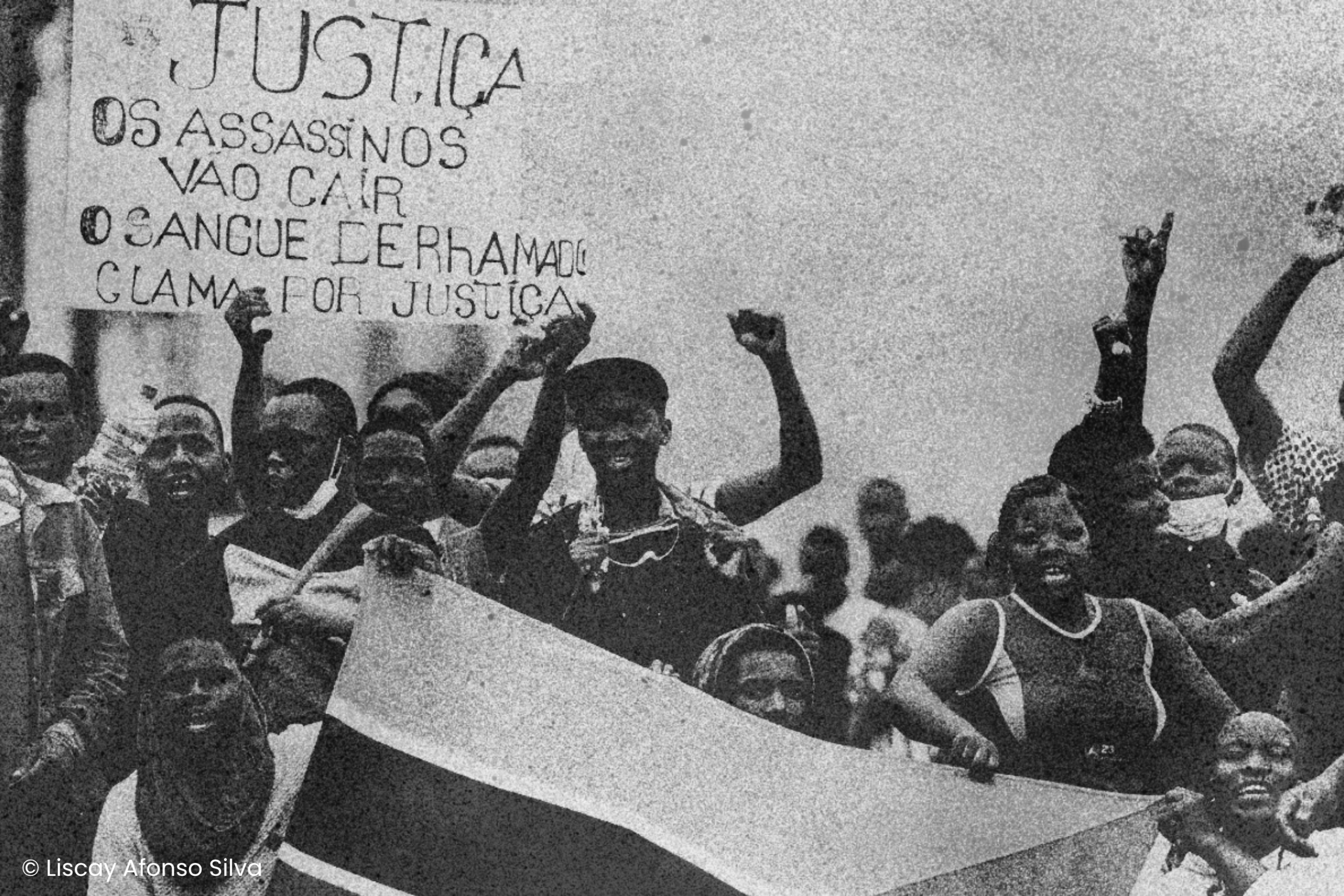
Dércio Tsandzana analyses Mozambique’s #PovoNoPoder movement and its online engagement to challenge the narrative of the country’s young people as passive, instead portraying them as closely involved outside the traditional political system. However, Tsandzana also highlights the contradictions and non-linear evolution of this youth engagement, bringing to the fore the valuable contributions of young Mozambicans through digital activism.
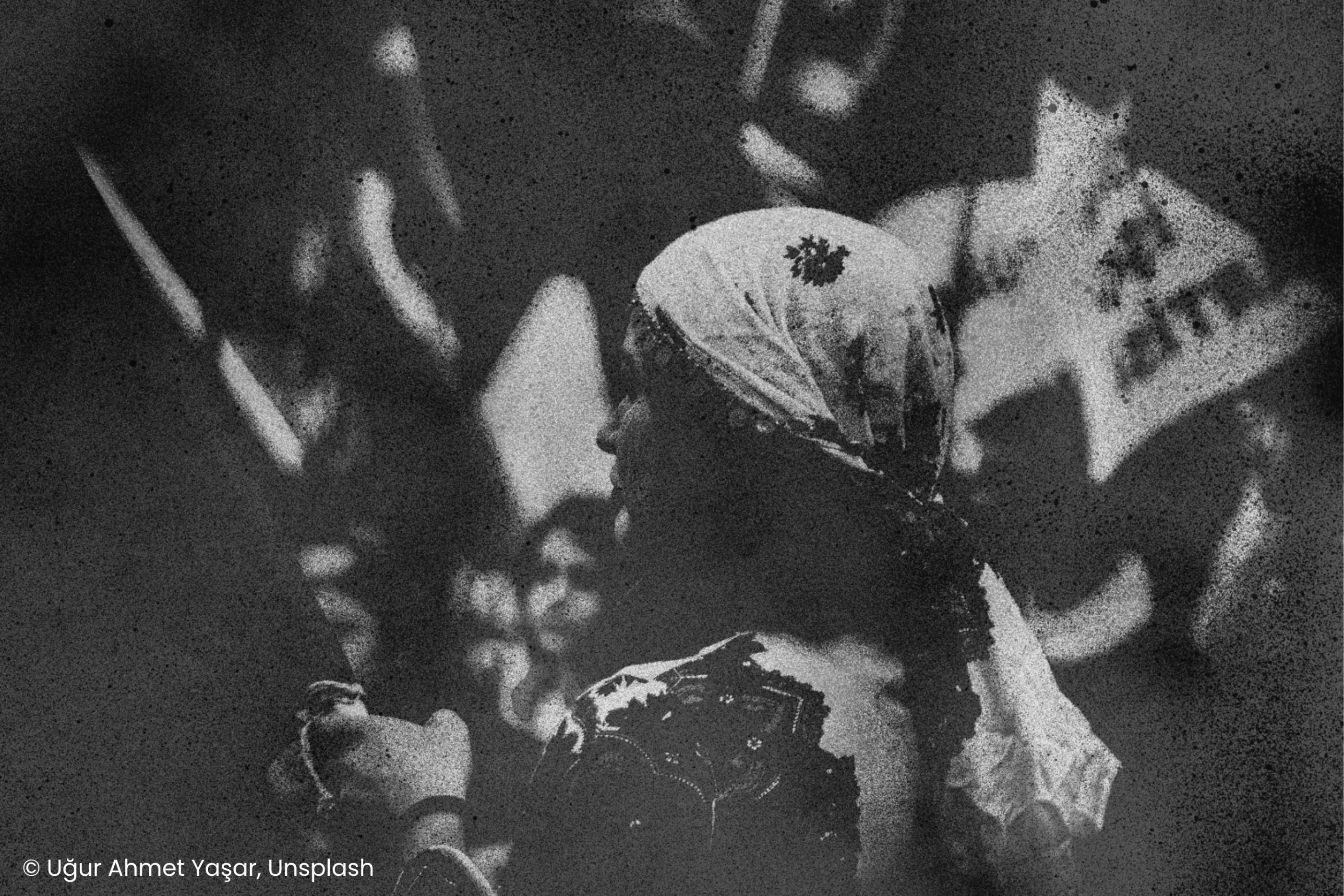
Mehmet İlhanlı discusses how the securitisation of young people in Türkiye, which intensified after the 2013 Gezi Park protests, has constrained and reshaped their political engagement. According to İlhanlı, young people are the demographic most affected by the country’s democratic decline, as they are being excluded, stigmatised, and securitised. Despite young people’s efforts to seek alternative spaces for political expression and activism, their continued stigmatisation by the government will have a profound negative impact on Türkiye’s democratisation.
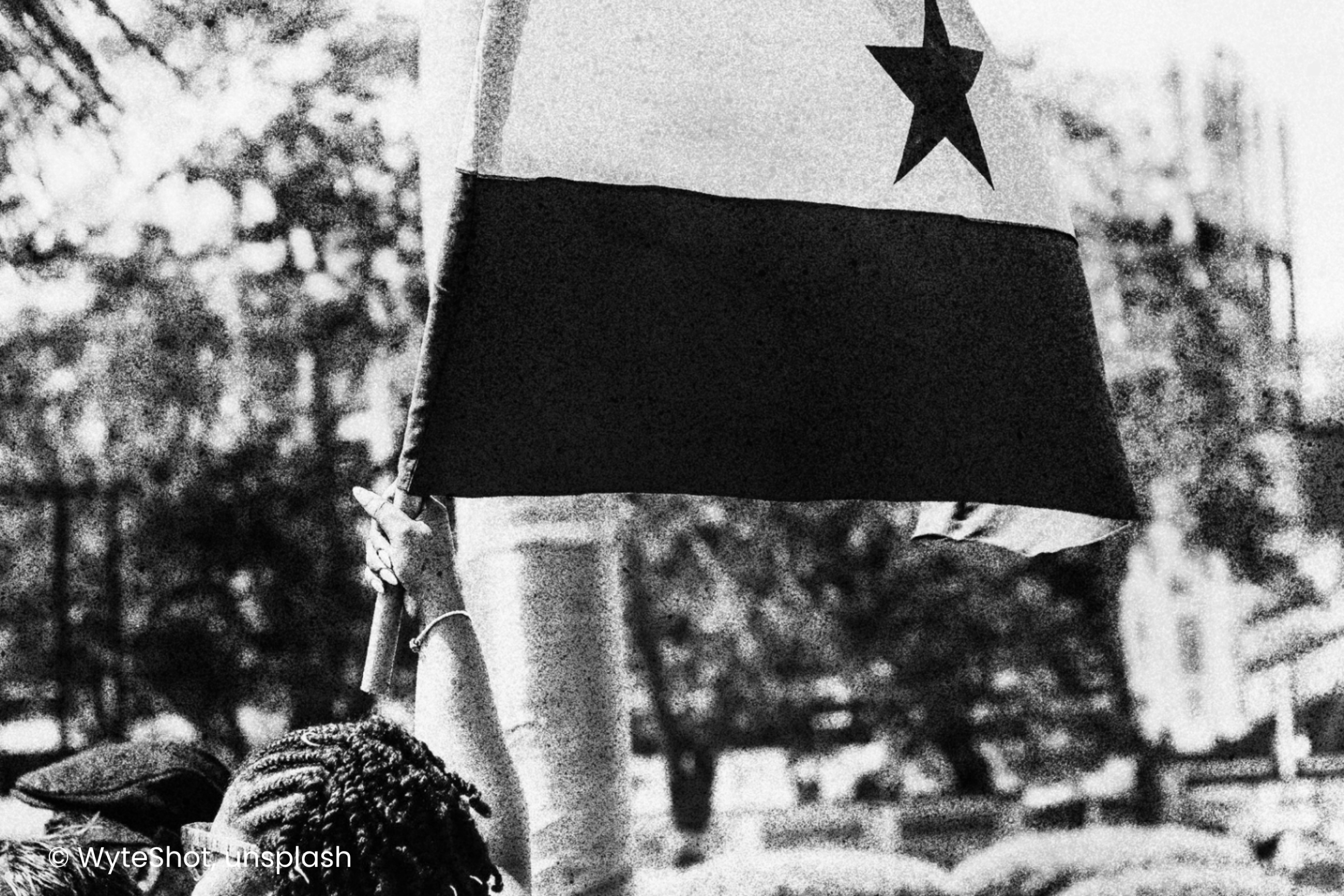
Obaa Akua Konadu-Osei writes about the cost of politics in Ghana, with a particular focus on the intersection between youth and gender as well as the way in which access to financial resources creates a barrier to parliamentary aspirations. The case study highlights the fundamental challenges young Ghanaians face in fully entering democratic channels, even when they are highly engaged and mobilised in the country’s political landscape. Such obstacles, according to Konadu-Osei, are similar for women and youth, implying a need to rethink political-party funding to give young people fairer access to the political system.

Ajda Hedžet investigates the Free El Hiblu 3 campaign to explore how young migrant men claim their voice from the margins of systems that often silence them. The case highlights the limits of institutional recognition, the criminalisation of young migrants, and the digital struggle for justice. It illustrates how political agency and demands for justice are enacted outside formal institutions. The campaign underscores that Europe’s migration governance is both a site of contestation and a front line for democratic renewal.

Olga Paredes Brítez carries out a comparative analysis of municipal youth policies in Buenos Aires (Argentina) and Asunción (Paraguay). Both municipalities have adopted a vision of young people as “adults in the making” – an adult-centric approach that hinders the recognition and empowerment of young people as full political subjects. The case study provides an additional layer of analysis through the perspective of municipal-level youth engagement and discusses the decentralisation and municipalisation processes in the two countries.

Oripha Chimwara explores the impact of Zimbabwe’s quota system of reserved parliamentary seats for young candidates in creating positive ripple effects for youth engagement in the country. Chimwara also analyses the obstacles to young Zimbabweans’ political participation that remain despite this positive step: administrative hurdles, the cost of politics, and a pervasive patronage system.

Mark Ortiz examines intergenerational politics through the 1970 United Nations (UN) World Youth Assembly, highlighting the complexities of youth representation and the lessons for multilateral engagement today. Ortiz compares this gathering with the UN’s 2024 Summit of the Future, where meaningful youth participation was central in reflecting commitments in the UN’s Youth2030 strategy. The two cases illustrate the enduring impact of youth leadership on the ethos and practice of multilateralism.
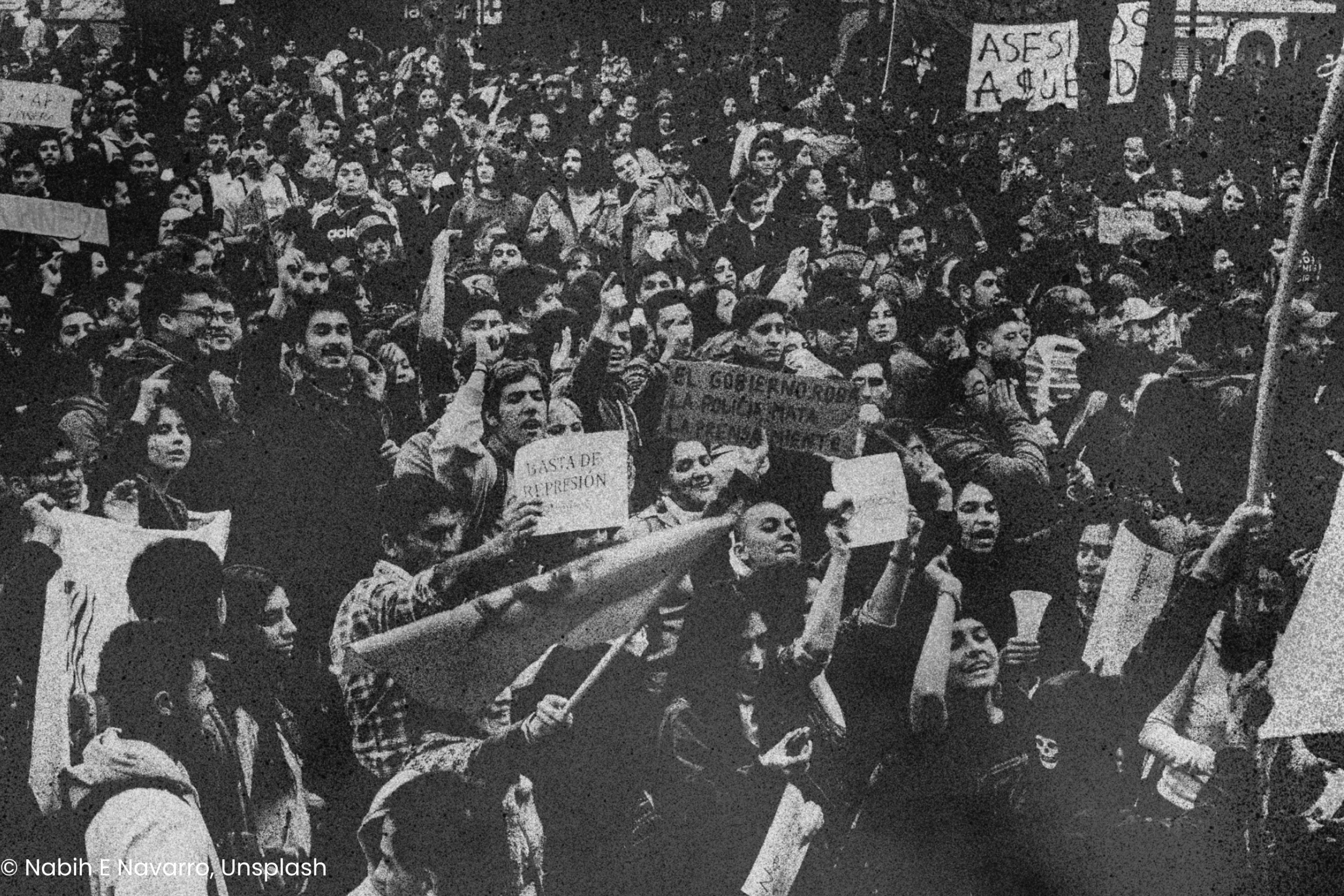
Ellie Catherall analyses how and to what extent young people’s voices were represented and included in the drafting of Chile’s 2023 proposed constitution. The analysis shows that despite young people’s view that a new constitution should be representative of Chilean society, the dominance of right-wing parties in the drafting process meant the status quo was maintained. Besides this exclusion of youth voices, young Chileans also felt increasingly detached from the process because of a lack of reliable and impartial information.
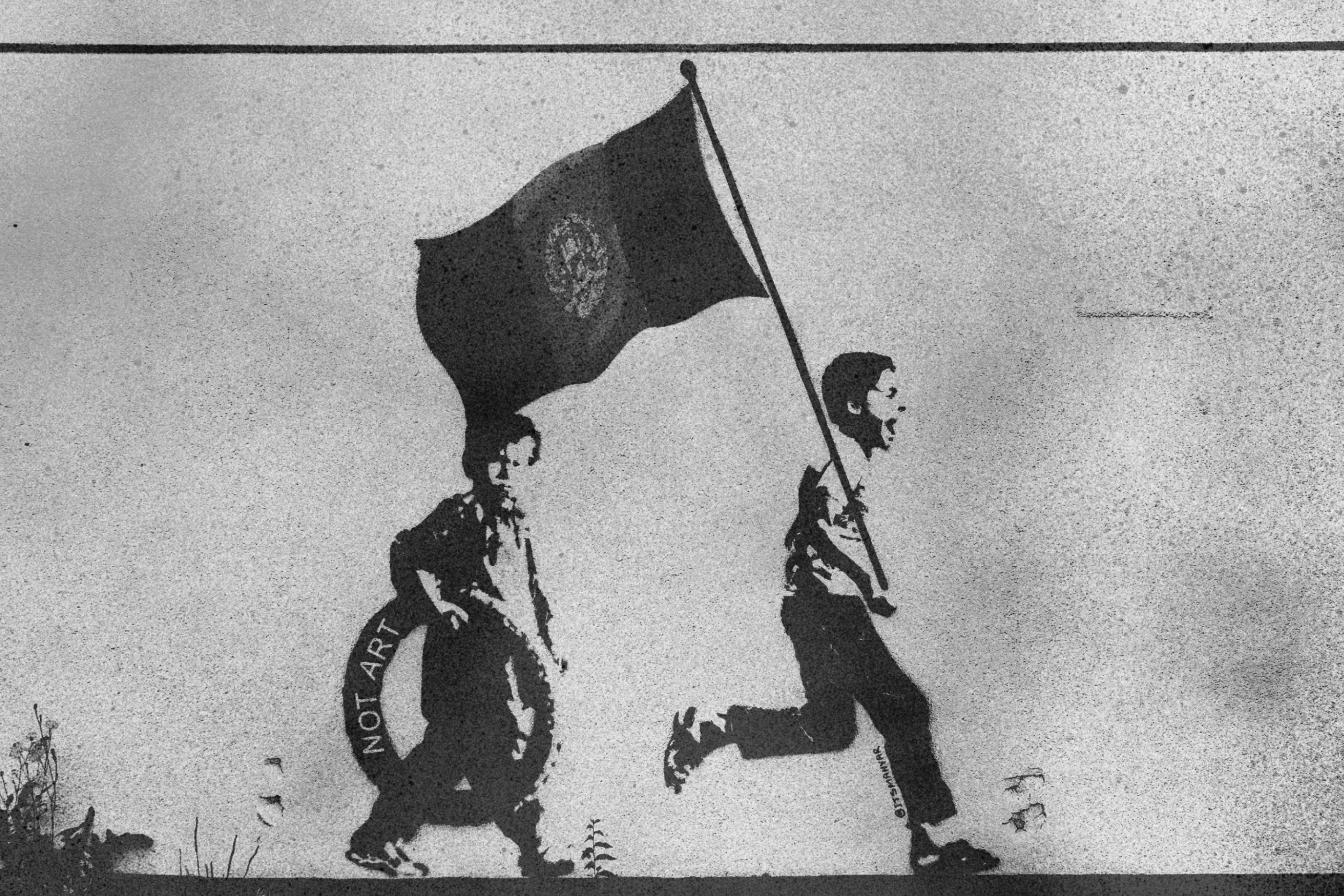
Wasal Naser Faqiryar describes how young people in Afghanistan are finding alternative channels to express their grievances, ideas, and dreams to counter the oppressive grip of the Taliban regime. Faqiryar identifies art and other creative forms of expression as fundamental avenues that remain possible, as they pass under the radar of the regime’s control. The chapter also discusses social media as an important platform for the amplification and diffusion of the concerns, needs, and desires of young Afghans.
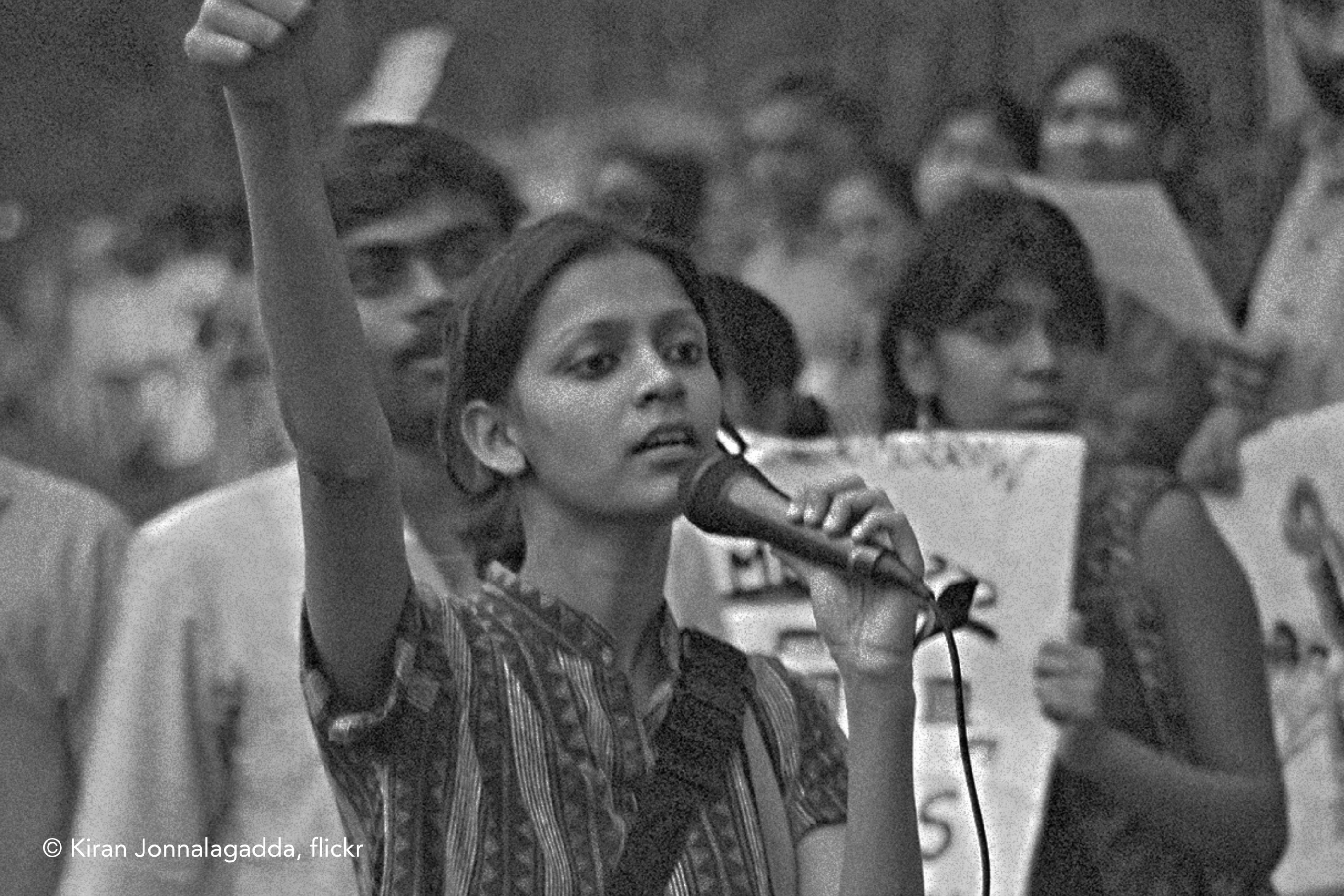
Ambar Kumar Ghosh presents the importance of youth representation in the democratic life of India, a country with a large young population. The analysis looks at the most significant challenges for young Indians in engaging in parliamentary politics: the cost of politics, the role of established parties in nominating young candidates, disillusionment about political careers, the pervasiveness of dynastic politics, and gender disparities. Ghosh argues that granting young people access to legislative politics would have a positive impact on India’s governance structures.
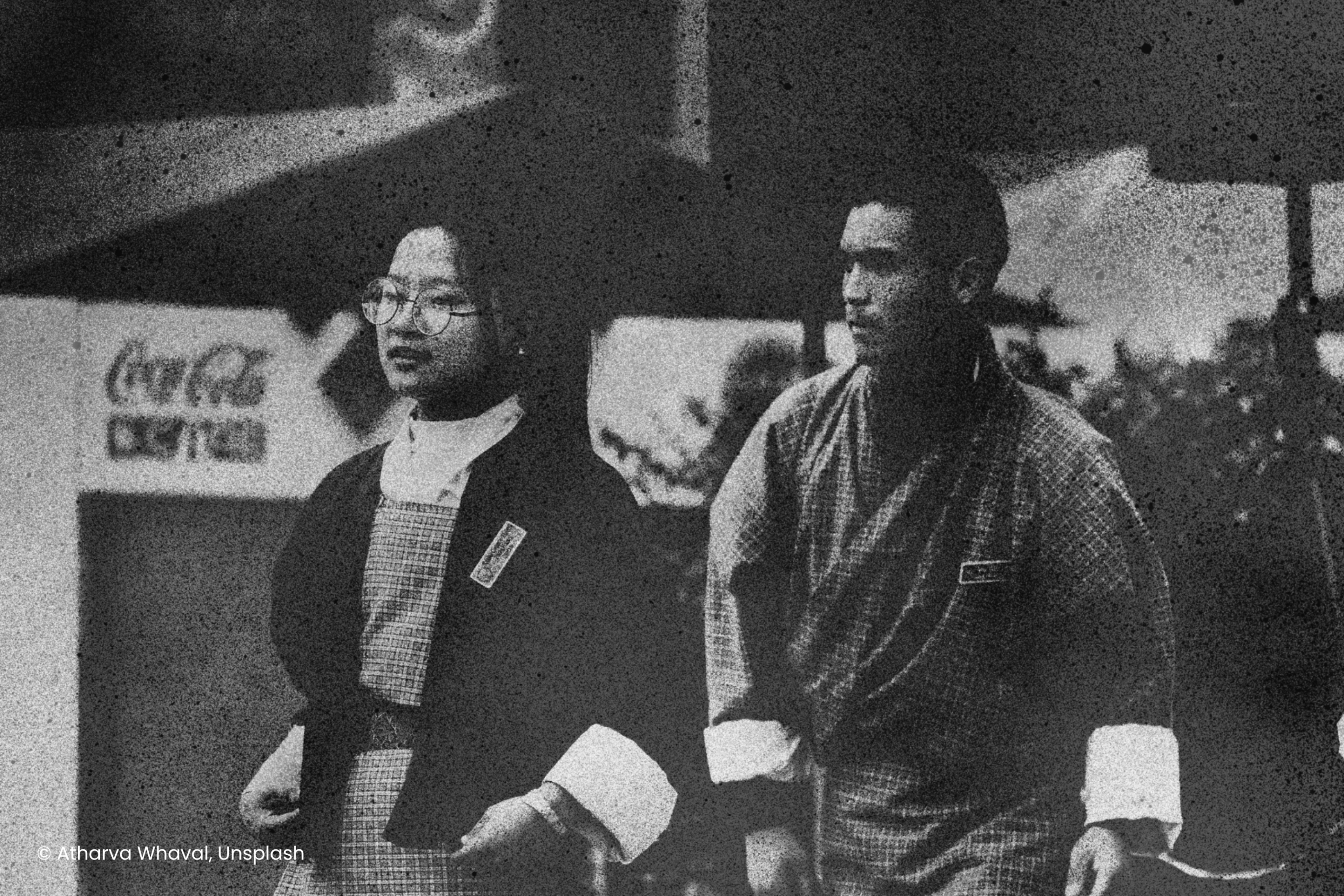
Dechen Rabgyal explains the minimal engagement of Bhutan’s young people in traditional politics through the lens of democratic elitism. Rabgyal shows how despite civil and democratic programmes equipping young Bhutanese to run for office, a requirement for parliamentary candidates to have at least 10 years’ professional experience reproduces inequalities and excludes a significant portion of Bhutan’s young people from the country’s legislature. The case study highlights the importance of adopting a more realistic approach to ensuring youth engagement.

Finally, Intifar Chowdhury writes about the evolving political relevance of mainstream parties in Australia, analysing how younger generations, disillusioned with traditional parties, are moving away from them. Chowdhury highlights a disconnect between the political priorities of younger voters and traditional political parties, which creates a risk of dealignment. In addition, the chapterexamines how young Australians are more closely linked to issue-based politics, on topics such as climate change, education, and housing, than to traditional party-political divisions.
These case studies aim to spark important discussions of the multiple layers and dimensions of youth political participation. Beyond highlighting diverse experiences and approaches, they provide insights that can inform research and advocacy for more meaningful youth involvement. We encourage readers to engage with these studies, which can support efforts to strengthen young people’s agency and influence. In an age when so much hinges on youth participation, this report gives a voice to a unique range of young writers from around the world to shape these debates.

Ana Mosiashvili is a research and programmes manager at the European Partnership for Democracy (EPD).

Sara Canali is a doctoral researcher at Ghent University and UNU-CRIS.
The Young Researchers’ Network is an initiative developed in the framework of the European Democracy Hub and EPD’s Women and Youth in Democracy WYDE Civic Engagement project, supported by the European Union.
[i] “United Nations Sustainable Development Goals”, United Nations, https://www.un.org/sustainabledevelopment/youth/.
[ii] “Cost of Politics”, Westminster Foundation for Democracy, https://costofpolitics.net/.
[iii] Gerardo Berthin, “Why Are Youth Dissatisfied with Democracy?”, Freedom House, 14 September 2023, https://freedomhouse.org/article/why-are-youth-dissatisfied-democracy.
[iv] Brit Anlar et al., “The Global Youth Participation Index: Report 2025”, European Partnership for Democracy, 2025, https://gypi.studiopompelmoes.eu/assets/images/GYPI-Final-Report.pdf.
[v] Roberto Foa and Yascha Mounk, The Danger of Deconsolidation: The Democratic Disconnect (Cambridge, Massachusetts: Harvard Kennedy School, 2019).
[vi] “The Young Researchers’ Network”, Youth Democracy Cohort, https://youthdemocracycohort.com/the-young-researchers-network/.